

“If a severe pandemic materializes, all of society could pay a heavy price for decades of failing to create a rational system of health care that works for all of us.”–Irwin Redlener

Image: shutterstock
There is no doubt about it. The after-effects of the COVID-19 pandemic will be with us for many years into the future. Healthcare. Economics. Social Interaction. Sports. Politics. Education. Just about everything will feel the effects for the rest of most of our natural lives.
In this, the first of a series looking at various scenarios for a post-pandemic world, we look at urban and social issues. Dr. Cindy Frewen is well qualified to discuss both of these areas. She is a fellow member of the Association of Professional Futurists–she served as its board chair for many years. She is an architect, has a Ph. D. in communication, and teaches social change in the University of Houston’s graduate foresight program. She also was a columnist for the Kansas City Star for many years.
A reminder that Seeking Delphi is available on iTunes and PlayerFM, and has a channel on YouTube. You can also follow us on Facebook.
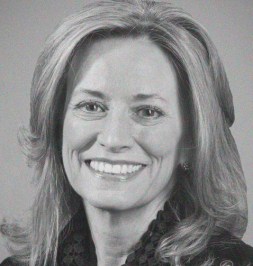
Cindy Frewen , Phd
Image credit: Kansas City Star

Image: shutterstock Click for Worldometer coronavirus stats.
Episode #44: Post-Covid19 Urban and Social Issues, with Cindy Frewen
Full unedited Zoom video of episode #44
Subscribe to Seeking Delphi™ on Apple Podcasts
Subscribe to Seeking Delphi™ on PlayerFM
Subscribe on YouTube
Follow Seeking Delphi™ on Facebook @SeekingDelphi
Follow me on twitter @Seeking_Delphi

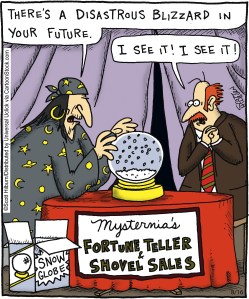 The Ol’ Perfessor knew what he was talking about. Well, maybe he didn’t, but the advice is sage nonetheless. It is notoriously difficult to predict anything in the future with consistent accuracy. So why in the world would anyone want to become a futurist? Why bother? Well, to be blunt, that is exactly why! Ignoring the opportunities and dangers of the future is what I like to call The Ostrich Syndrome. Go ahead, hide your head in the sand. The future is not going to go away; it will get here. And if we can’t predict it, there are certainly ways to prepare for it. To prevent bad outcomes, or at least make them less likely. To create good outcomes, or at least make them more likely. And to be better prepared to deal with whatever does come.
 Seeking Delphi™